The Role of Luck in Gambling
Luck undeniably plays a significant role in gambling, particularly in games that are heavily based on chance, such as slots or roulette. In these games, the outcome is unpredictable and can change in an instant, making luck a pivotal factor. Players frequently enter a casino hoping that fortune will favor them, as fast withdrawal casino uk real money winnings can depend solely on random number generators or the spin of a wheel. This creates an allure that draws many to the gaming floor, where the thrill of the unknown beckons.
However, the perception of luck often overshadows the intricacies of casino games. Many players believe that sheer luck determines their success or failure. This belief can lead to the misconception that skilled players are at a disadvantage in games of chance. In truth, while luck can significantly influence outcome, it is essential to recognize that understanding the rules and strategies can also play a critical role in maximizing potential winnings. Thus, while luck may initially guide a player’s experience, informed strategies can help navigate the unpredictable nature of the game.
Interestingly, luck is not constant and can appear to fluctuate during a gaming session. Players may experience winning streaks followed by losses, leading to a psychological phenomenon known as the “gambler’s fallacy,” where individuals believe the odds will shift based on previous outcomes. Understanding this myth is crucial, as it affects betting behavior and decision-making. Ultimately, while luck is an ever-present factor in gambling, it is essential to balance it with knowledge and discipline to increase one’s chances of success.
Strategy: The Other Side of the Coin
While luck may set the stage for a thrilling casino experience, strategy is what often distinguishes the casual player from a skilled gambler. In games like poker or blackjack, players can significantly enhance their chances of winning by employing various strategies and techniques. Knowledge of probability and game mechanics allows players to make better-informed decisions, such as when to hit or fold. These strategic elements showcase that gambling is not solely a game of chance but also one of skill and expertise.
Moreover, various betting strategies, such as the Martingale or Fibonacci systems, illustrate how players attempt to manage their bankrolls and make calculated decisions. For instance, a player using the Martingale strategy doubles their bet after every loss, aiming to recoup their losses when they eventually win. While these strategies can provide structure and logic to gaming, it is crucial to remember that no strategy eliminates the house edge. Players must be prudent and aware of their limits to avoid chasing losses.

Additionally, learning the nuances of different games can significantly impact a player’s success. For instance, understanding the optimal strategies for various video poker variants can lead to better returns than playing without knowledge. Engaging with resources, such as guides or tutorials, can help aspiring gamblers refine their skills. Ultimately, a combination of luck and strategy is essential for maximizing a player’s potential in a casino setting.
The Influence of Psychology on Gambling
The psychological aspect of gambling is often an overlooked factor that can influence a player’s success and experience. Many players enter a casino with emotions ranging from excitement to anxiety, which can directly impact their decision-making. For instance, the thrill of winning may lead to overconfidence, causing players to take unnecessary risks. Conversely, a losing streak might trigger a sense of desperation, prompting hasty decisions that could further deplete their bankroll. Therefore, understanding one’s emotions and psychological state is crucial in maintaining a level-headed approach to gambling.
Furthermore, the design and ambiance of casinos are specifically structured to exploit psychological triggers. Bright lights, engaging sounds, and the placement of gaming machines are designed to create a stimulating environment that encourages prolonged play. This can lead to an altered perception of time and money, where players may lose track of their spending. Being aware of such psychological tactics helps players maintain control over their gambling activities and helps them make more rational decisions.
The concept of “loss aversion,” a principle from behavioral economics, also highlights how players may react to losses compared to gains. Research shows that the pain of losing is often felt more intensely than the pleasure of winning. This can lead players to chase losses in an attempt to feel the satisfaction of a win. Understanding these psychological phenomena can empower gamblers to develop better control over their gambling habits, balancing the thrill of luck with the wisdom of strategy.
The Impact of Casino Environment and Game Selection
The casino environment can profoundly affect a player’s experience and success rate. Factors such as the layout of the gaming floor, social dynamics, and even the music played can influence player behavior and decision-making. For example, a lively atmosphere with celebratory winners may encourage players to take on riskier bets, swayed by the excitement around them. Conversely, a quieter setting may promote more cautious play, allowing for critical thinking and strategic decision-making.
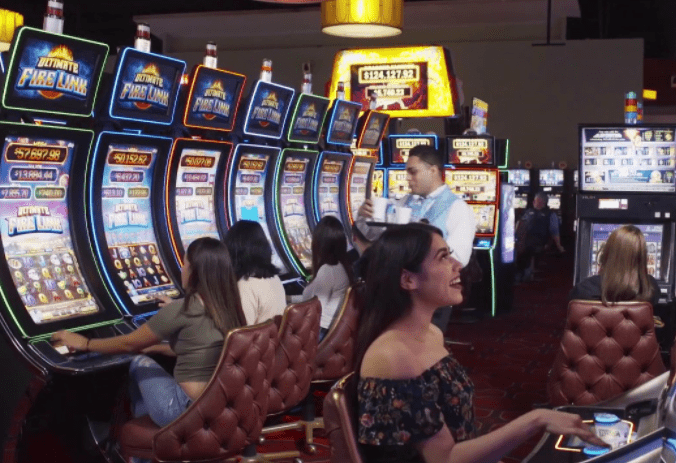
Choosing the right games can also play a significant role in a player’s success at the casino. Each game has its own rules, odds, and house edge, which can impact winning potential. For instance, games such as blackjack and poker offer better odds for players than slot machines, where the odds are heavily stacked in favor of the house. By selecting games with favorable odds, players can enhance their chances of winning and capitalize on their strategic knowledge.
Additionally, understanding the variance and volatility of different games can aid players in selecting the right games according to their risk tolerance. High volatility games may appeal to thrill-seekers who enjoy the chance for bigger payouts, while low volatility games might attract players looking for steadier returns. Recognizing personal preferences and comfort levels can help gamblers make better game selections, balancing their luck with informed choices.
Conclusion: Finding Balance at the Casino
Winning at casinos is a multifaceted endeavor that involves more than just relying on luck. While fate undoubtedly plays a significant role in gambling outcomes, skillful strategy, psychological factors, and game selection can greatly influence a player’s overall success. Embracing the interplay between these factors can lead to a more gratifying gambling experience and potentially better results. Understanding the balance between luck and skill is essential for any player aiming to navigate the complexities of casino gaming.
Moreover, maintaining a disciplined approach and being aware of one’s limits can prevent common pitfalls associated with gambling. Educating oneself about the games, utilizing effective strategies, and managing emotions can all create a more responsible and enjoyable gaming experience. Ultimately, while luck is an ever-present element, a careful blend of strategy and awareness empowers players to make the most of their time spent at casinos.
For those eager to learn more about enhancing their casino experience, exploring resources and knowledgeable communities can provide valuable insights. Engaging with fellow players and experts can unveil strategies and tips that enhance understanding and enjoyment. By embracing this blend of education and entertainment, players can create a foundation for a successful journey in the world of casinos, where luck meets wisdom.